Fire Alarm Systems and Their Role in Reducing Business Risk
In the world of business, safeguarding assets and ensuring the safety of employees and clients are top priorities. Among the myriad of security measures, fire alarm systems stand as a crucial component in reducing risks and protecting business premises. In this comprehensive guide, we delve into the significance of fire alarm systems, their benefits, and how they contribute to mitigating business risks.
The Importance of Fire Alarm Systems
Fire alarm systems are integral to any business’s safety protocol. Their primary function is to detect and alert individuals to the presence of fire, smoke, or carbon monoxide, ensuring swift evacuation and response. By providing early warnings, these systems can prevent extensive damage to property and, most importantly, save lives.
Businesses across the United Kingdom, regardless of size, are legally required to implement appropriate fire safety measures. This includes the installation and maintenance of fire alarm systems. Compliance with these regulations not only protects businesses from legal liabilities but also ensures the safety and security of everyone within the premises.
How Fire Alarm Systems Work
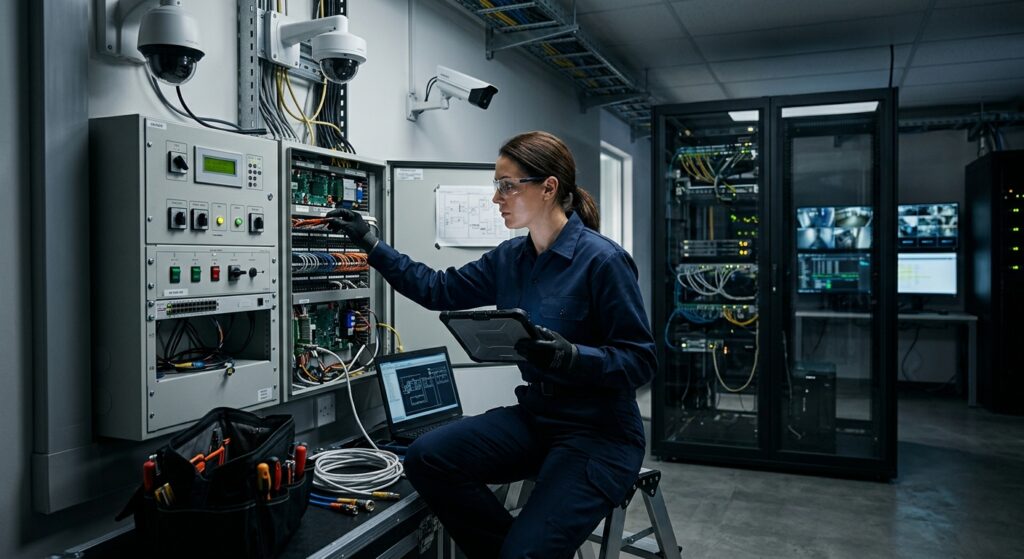
Modern fire alarm systems are sophisticated and designed to provide comprehensive coverage. They typically consist of detectors, alarms, control panels, and communication devices. Smoke detectors are among the most common components, using either ionisation or photoelectric methods to identify smoke particles. Heat detectors, on the other hand, trigger alarms when a specific temperature is reached.
Once a potential fire threat is detected, the system activates alarms, enabling occupants to evacuate promptly. In addition, many systems are connected to monitoring stations that alert emergency services, facilitating a rapid response to control the situation.
Benefits of Implementing Fire Alarm Systems
The implementation of fire alarm systems provides a multitude of benefits, significantly reducing business risks. Firstly, they protect lives by ensuring that individuals have ample time to evacuate safely. This is particularly critical in densely populated commercial properties where the risk of injury is higher.
Secondly, fire alarm systems minimise property damage. By alerting occupants and emergency services swiftly, the risk of extensive fire damage is reduced, preserving valuable assets and infrastructure. This can lead to substantial savings on repair and replacement costs, safeguarding the financial health of a business.
Furthermore, having a reliable fire alarm system can reduce insurance premiums. Insurance companies often offer lower rates to businesses equipped with effective fire safety measures, recognising the reduced risk of claims due to fire-related incidents.
Types of Fire Alarm Systems
There are several types of fire alarm systems available, each designed to meet specific needs and building requirements. Conventional fire alarm systems are the most basic, using a series of zones to detect and pinpoint the location of a fire. These systems are cost-effective but may not provide the same level of detail as more advanced systems.
Addressable fire alarm systems, on the other hand, offer greater precision, allowing each detector to have a unique address. This enables the exact location of the fire to be identified quickly, improving response times and reducing the chance of false alarms.
Wireless fire alarm systems are becoming increasingly popular, offering flexibility and ease of installation. These systems communicate using radio signals, eliminating the need for extensive wiring and making them ideal for historic or complex buildings where cabling may be impractical.
Choosing the Right Fire Alarm System
Selecting the appropriate fire alarm system for your business is a critical decision that requires careful consideration. Factors such as the size of the premises, the nature of the business, and specific risks associated with the industry all play a role in determining the most suitable system.
It is advisable to consult with security experts, such as Secure One, who specialise in integrated security solutions. With over a decade of experience in the commercial security industry, Secure One offers tailored advice and solutions to ensure that businesses are equipped with the most effective fire alarm systems to meet their unique needs.
Maintaining Fire Alarm Systems
Once installed, regular maintenance of fire alarm systems is essential to ensure their reliability and effectiveness. Routine inspections and testing should be conducted to identify any faults or issues that may compromise the system’s performance. This includes checking detectors, alarms, and communication devices to ensure they are functioning correctly.
Adhering to a strict maintenance schedule not only prolongs the life of the fire alarm system but also ensures compliance with legal requirements. Businesses that neglect maintenance risk facing fines and penalties, as well as increased vulnerability to fire-related incidents.
Conclusion
Fire alarm systems are a vital component of any business’s risk management strategy. By providing early warnings and facilitating swift evacuations, they protect lives, minimise property damage, and reduce financial losses. With the expertise of trusted security professionals, businesses can implement and maintain effective fire alarm systems, ensuring the safety and security of their assets, employees, and clients.
In a world where safety and security are paramount, investing in a robust fire alarm system is a wise and essential decision for any business. As experts in integrated domestic and business security systems, Secure One stands ready to assist businesses in safeguarding their premises with the highest standards of fire safety.